About the fitter
I’m the fitter at Built to Ride, and twenty years in the bike industry are the reason the studio exists.
In the fit room
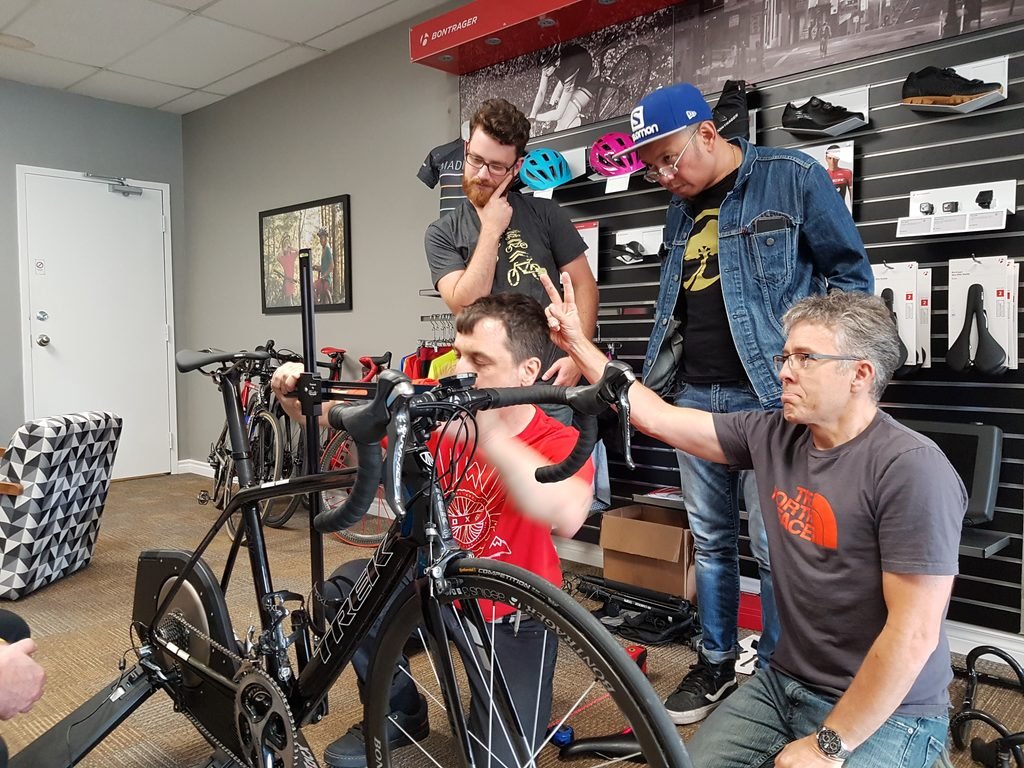
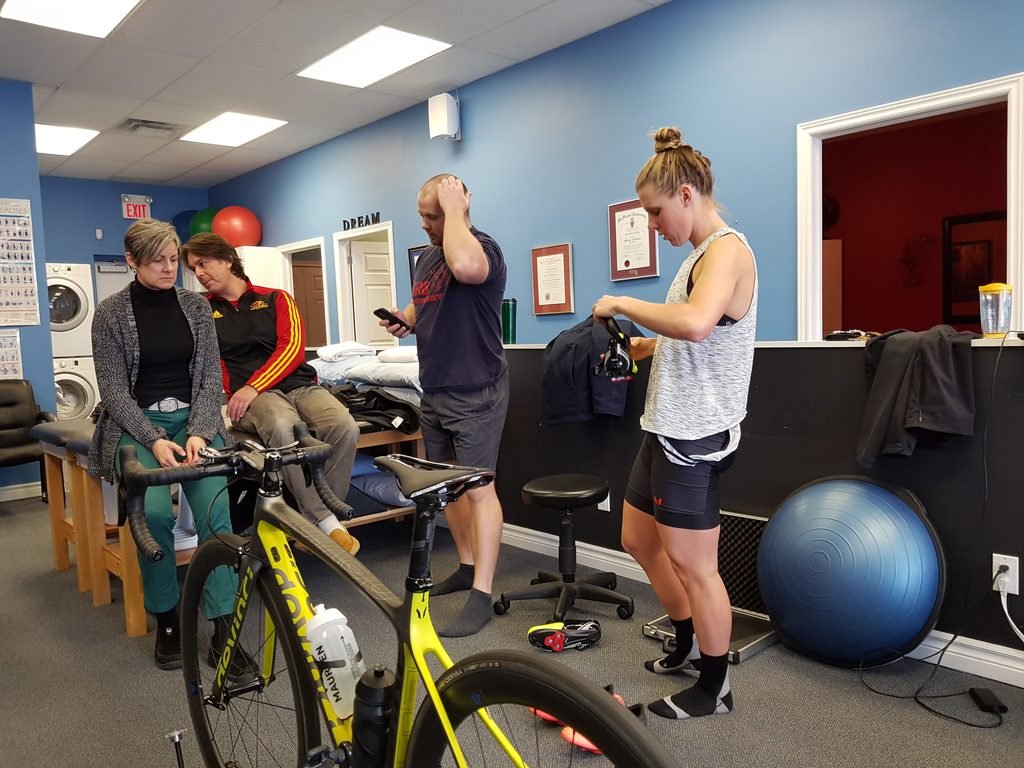
My fitting career started when the very first iteration of the bikefitting.com measuring jig entered the shop, somewhere around 2007. It wasn’t a good system to say the least. But it got me curious, and thinking about why people were uncomfortable. We took measurements, tried to figure out the best place to put the hoods on terribly shaped bars, and generally muddled through things.
Trek started their Fit system, and I learned from Michael Sylvester around 2009, at one of the first seminars. Michael was ahead of the game, and was talking movement quality off the bike before anyone else. Sadly, that system couldn’t be scaled appropriately for a big corporation and it ended up being shuttered. But it did make me realize that education outside of the bike world was critical if I wanted to take this seriously.
Looking for more education, with nothing available on YouTube, I went to New York in 2011 for a Bikefit seminar and learned how wedges can change your life (note: they aren’t that special). We were also surprised by an evening murder mystery, at a ramshackle sports mansion, in the mountains. Not quite the outside education I was seeking.
From there it was the entire newly born (like a phoenix from ashes) Precision Fit school, Level 1 through 3 with an extra gebioMized course added in. This was the point where ‘technology as a fit savior’ started to kick off and we were all racing to buy the fanciest gear we possibly could.
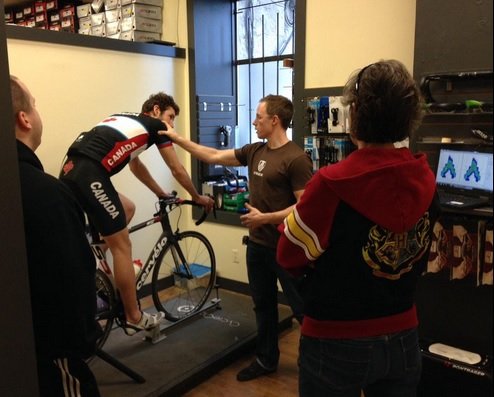
These courses, and constantly pestering the fit team at Trek, led to being privileged enough to teach courses for Trek Precision Fit. The opportunity to explain the hows, and the whys, and to really question them, helped cement the knowledge that formula fitting gets you only so far. It reinforced that to be the best fitter, I needed to continue to focus on learning skills from outside the bike industry.
In the shop
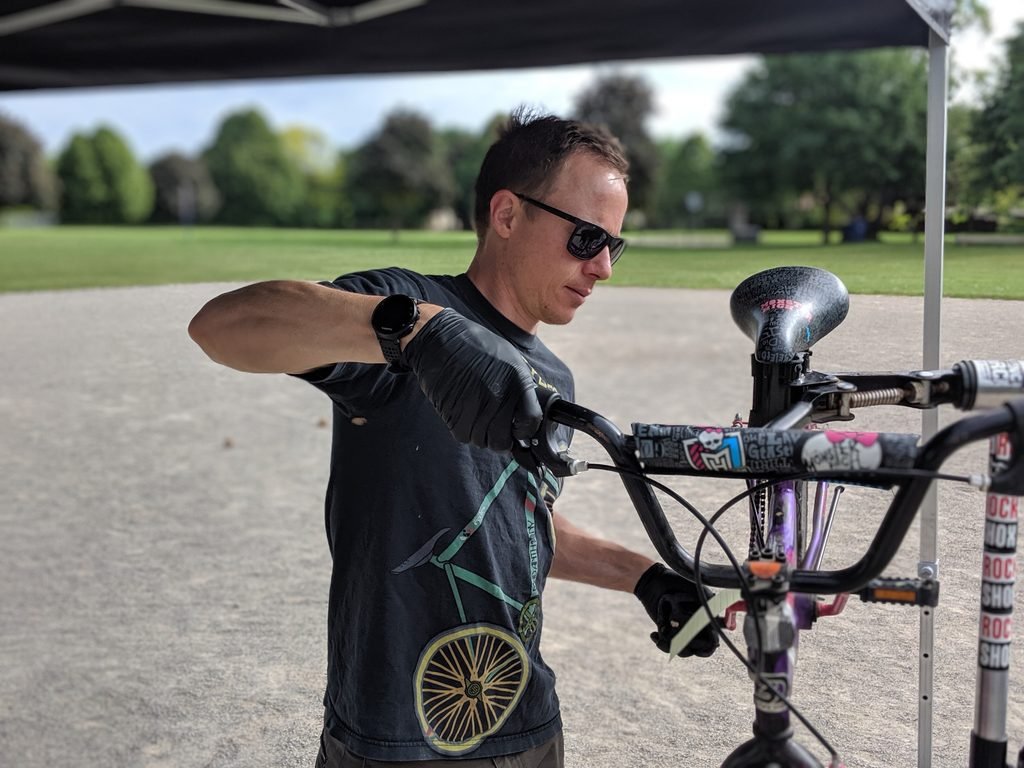
Becoming a bike mechanic all started at the University of Guelph, around 2003, when OPIRG acquired funding to start a community Bike Center. Somehow I ended up in a meeting, and went from that meeting to the next, and then the next. The program was handed to the CSA, and before long I was building the first CSA Bike Center in the basement of Biology House as its first employee. It was there I learned how much I didn’t know about bikes, and how much there is to know.
From that experience I was introduced to the team at Speed River Bicycle, and that led to me working for Cosmo, SRB’s founder, part-time. Back in the day the repair stands were right behind the service counter, so you learned to repair bikes, carry a conversation and stay focused on the task. Build after build, repair after repair, the early days at the bike shop cemented my mechanical skills.
Part-time led to full-time work after graduation, and graduation meant figuring out what I wanted to do. I loved bikes, they were all I thought about, so I took the leap and became Cosmo’s business partner.
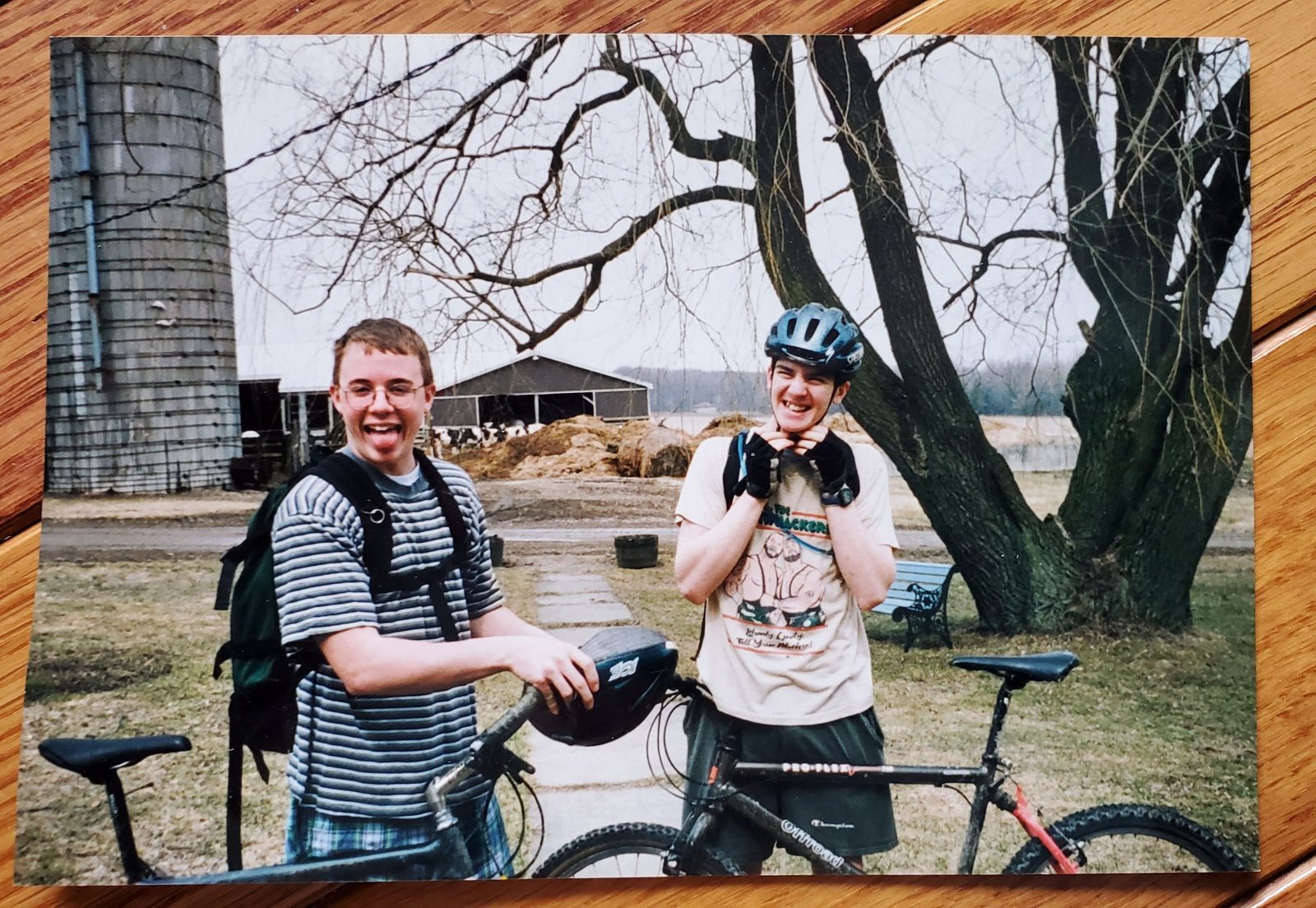
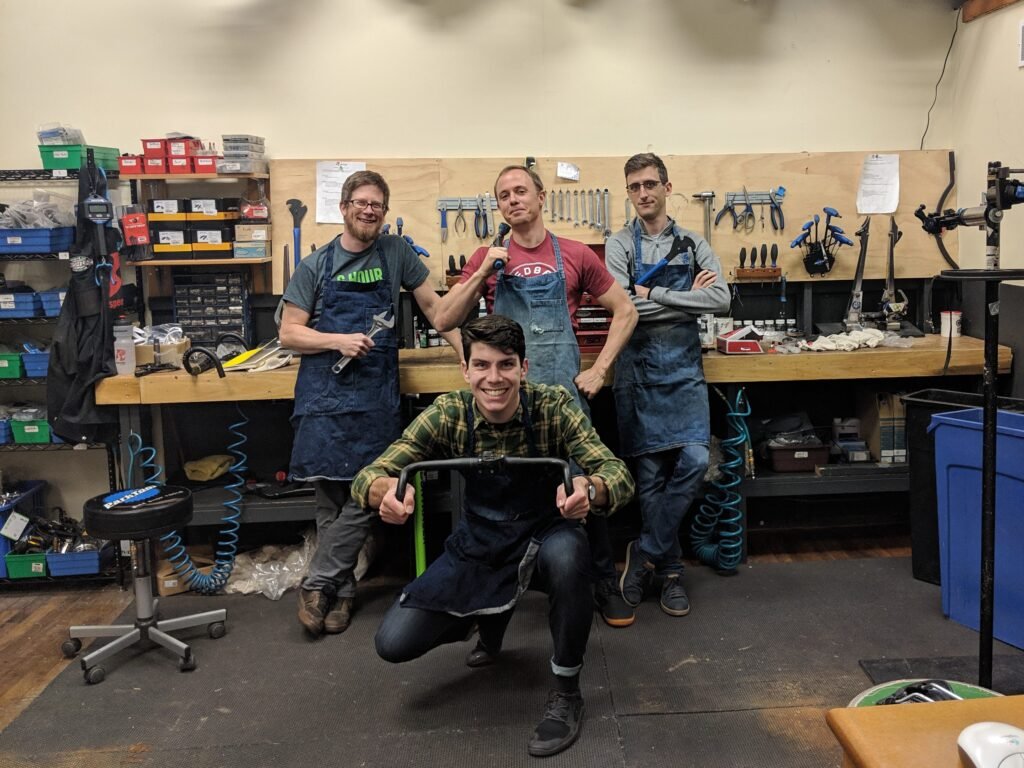
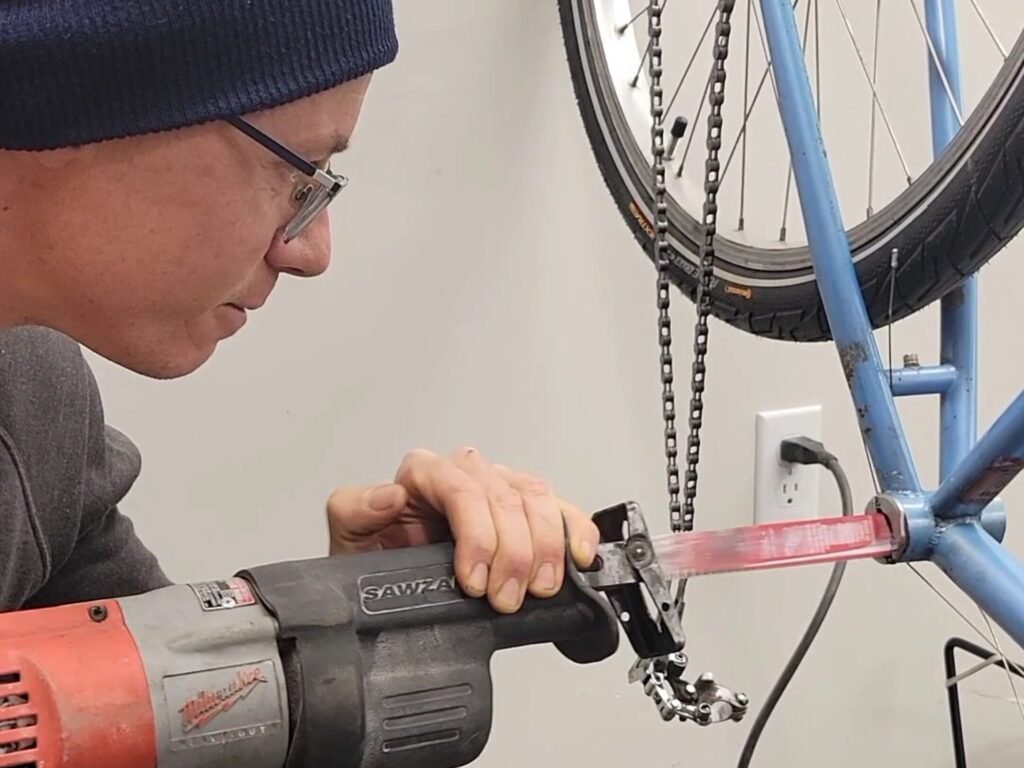
Growing up on a farm I always thought it was best to be a jack of all trades, and I thought it was essential to be skilled in every aspect of the bike shop. So I worked the sales floor, I worked as a mechanic, I did the ordering. You name it, if there is a job in a bike shop, I have done it. Bike fitting is in a large part knowledge of bikes and parts, and and the shop floor was the best education I could have had.
All of this led to seeing thousands of bodies, on thousands of bikes. Of seeing the myriad ways that people try to get themselves comfortable on a bike. Nothing beats 20 years in a bike shop for the pattern recognition that is an essential part of bike fitting.
In the gym
I’ve had a lifelong love of playing sports, and being in the gym, and there was an early realization that my BSc in Soil Science wasn’t going to tell me much about how the body works off the bike. I knew I needed to improve my education regarding human movement, but I’d bought a bike shop, so there was no time to go back to school.
Fortunately for me, CrossFit was just starting to boom, and I started at a local affiliate in 2009. Before long I had acquired my CrossFit Level 1 and I was certified to coach, so I did. Before heading to the shop at 10am, I would open the gym a few days a week and teach the 6:30 and 7:30 am classes.
The barrier to entry, for coaching, in CrossFit was low and I was very aware of this. So I continued to learn. I attended Olympic lifting, kettlebell and powerlifting certifications. These drilled into me an eye for gross motor patterns, for compensations and the ways we work around our limitations.
Those courses were followed by FMS (functional movement screen) and FRC (Functional Range Conditioning) certifications which helped train my eye for screening movement and teaching movements that are more subtle, that need greater attention and proprioception.
Over five years of coaching and programming group classes helped develop an eye for how humans move under a wide variety of situations. Just knowing how someone moves on a bike isn’t, in my opinion, enough. You need to know how humans move, period.
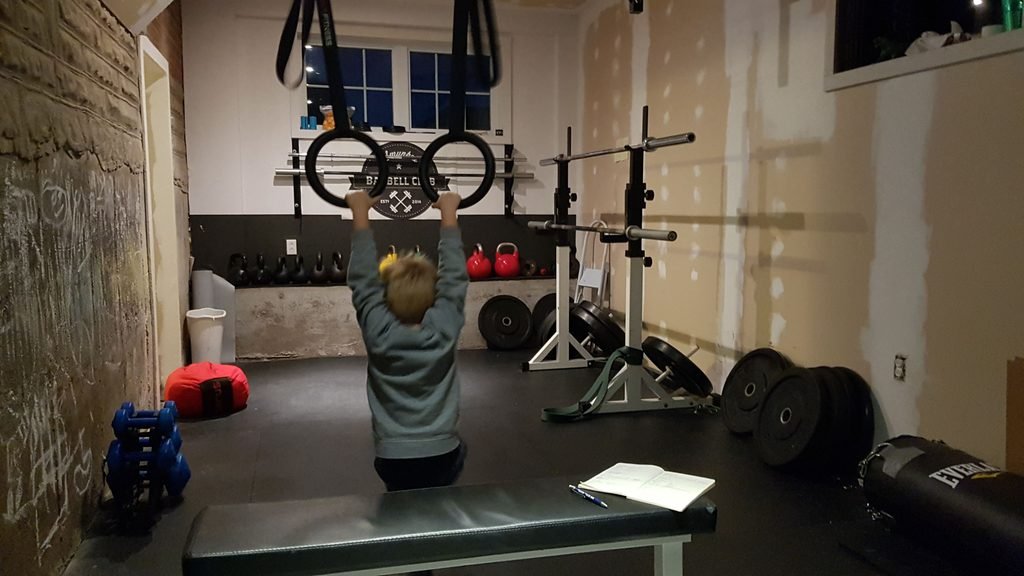
Eventually my son was born, and I couldn’t spend my morning at the gym and my days at the shop, so my time in the gym was done. We built a home gym, and I took these skills and continued to train individual athletes and friends when I could.
Recently, I’m back in the gym working with Royal City Multisport assisting them with their strength work. Less heavy, and quite a bit smarter than CrossFit, but still informing how we work in the fit room.
On the bike
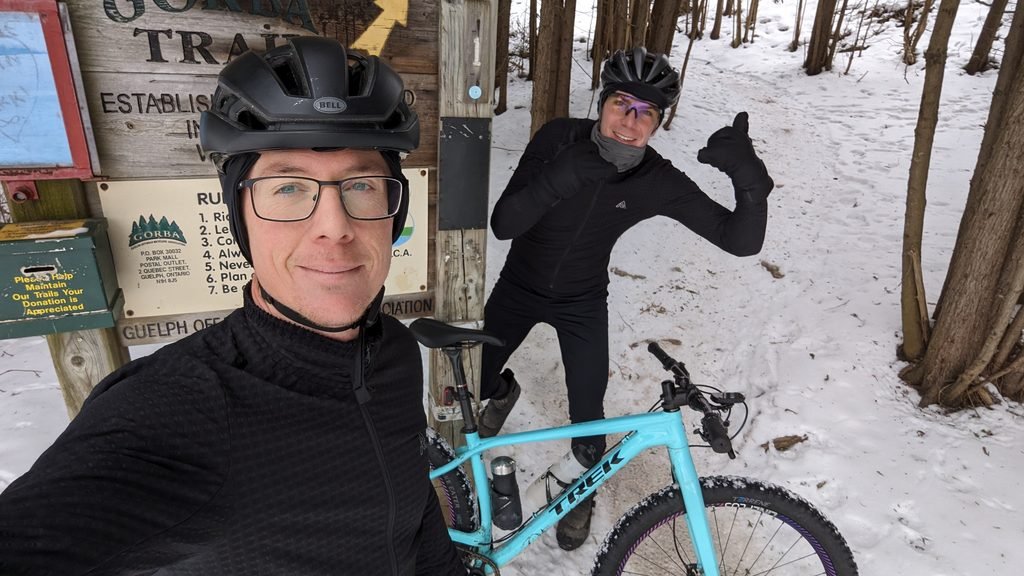
After all this, you may fairly ask, does this guy ride a bike? And the answer is yes. At times well, at times poorly, but almost every single day for the past 20 years.
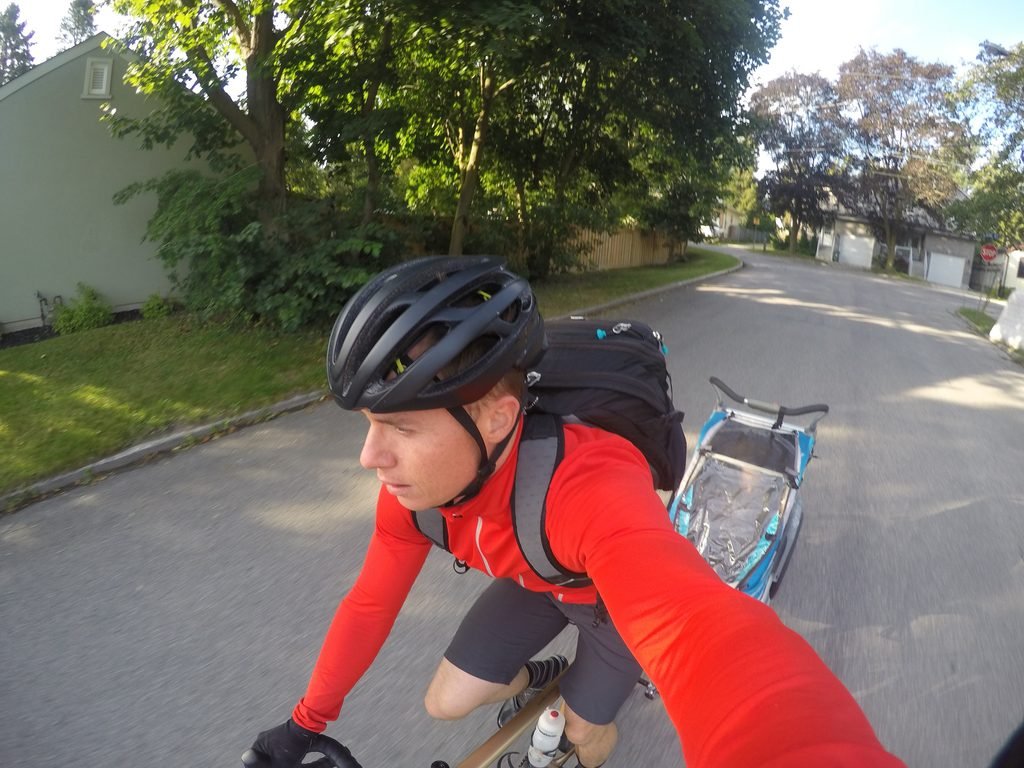
I do most things by bike. I get to work on my bike, I get my groceries by bike and I attend whatever appointments I may have, by bike. The bicycle is truly part of who I am and I find that riding daily keeps you very in tune with what feels right, or wrong, on a bike. Riding daily allows you to empathize, to put yourself in client’s shoes when they note a particular problem.
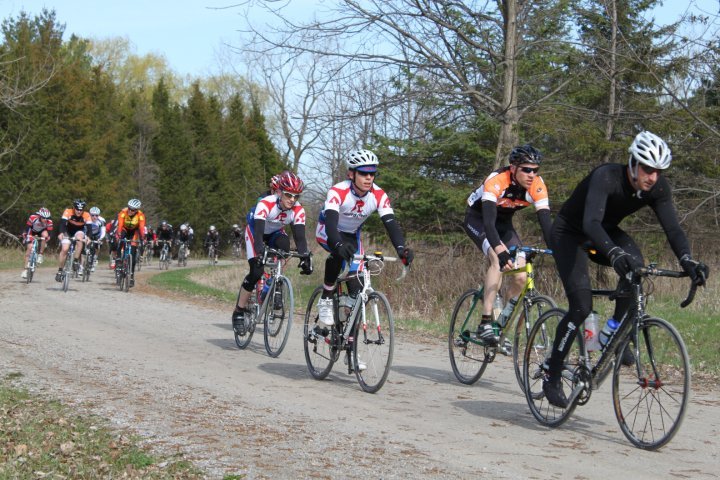
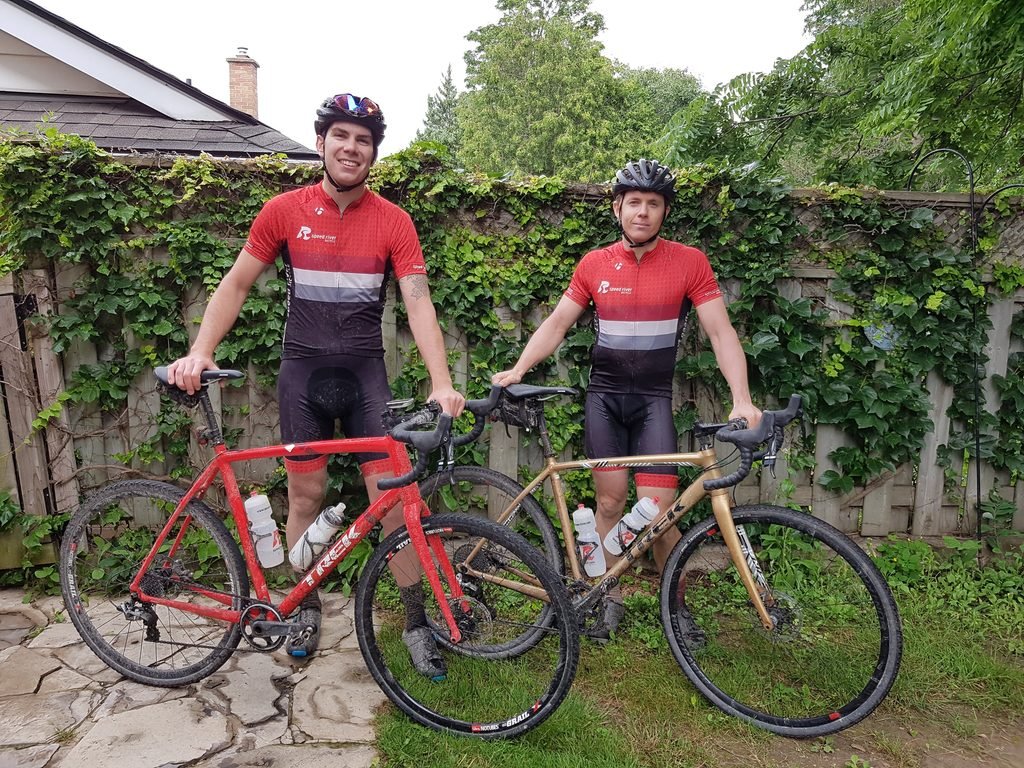
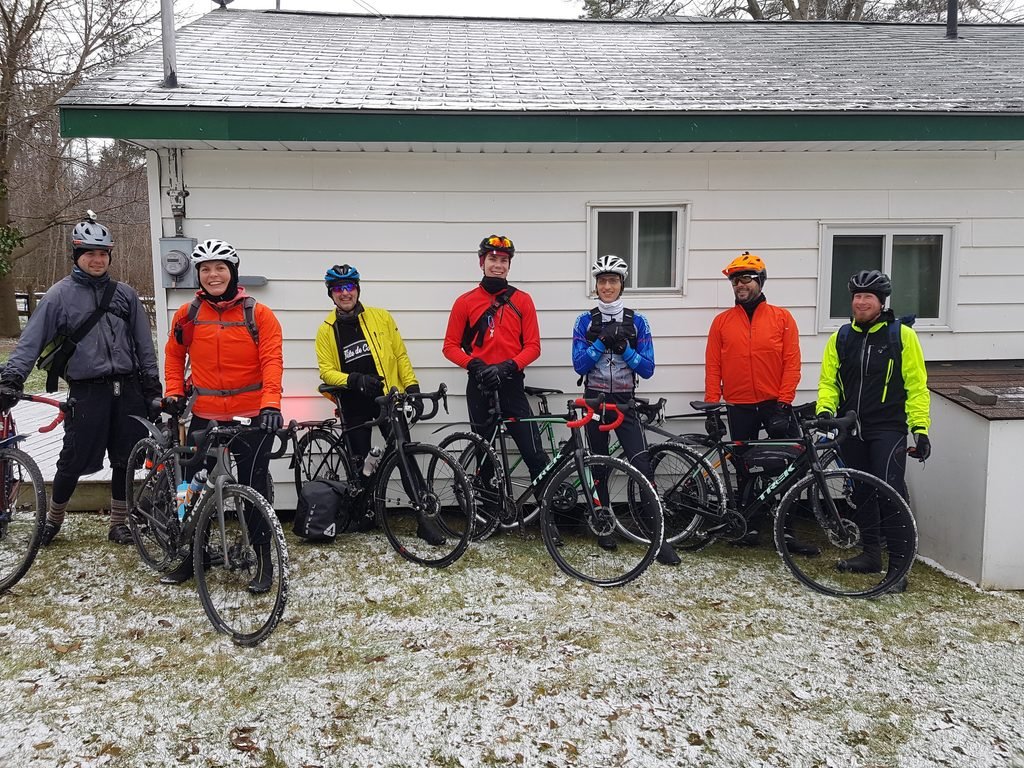
I also ride the bike for sport, for health and for enjoyment. At my best I was a mediocre Cat 2 cyclocross racer who always trained far better than he raced. Now, I’m a middle-of-the-pack masters gravel guy, who likes to complete a few challenges every year and looks forward to the Sunday morning ride every week. I’ve taken up track cycling, partially because it’s so vastly different from other cycling disciplines, and mostly because I have many fit clients who race on the track.
Overriding it all, I’ve made the mistakes. I’ve found the solutions. I’ve tried every saddle we have carried, I’ve searched for all the new training devices (Power Cranks!) that will likely do nothing but lighten my wallet. At the heart of it, I’m a guy who spends an inordinate amount of time thinking about bikes, riding bikes and doing bike things.
Which is why Built to Ride, a dedicated fit studio, makes so much sense. It is a place devoted to bike fit, where I can bring twenty years of experience to bear.